
Kitchen Remodeling for Older Homes
Kitchen Remodeling for Older Homes in Allentown, PA
Quick Take: Kitchen remodeling for older homes in Allentown often involves electrical updates, structural adjustments, and careful planning to protect your home’s character. Most projects range from $25,000 to $70,000 and take 6 to 10 weeks, depending on what’s discovered behind the walls. Starting with a realistic budget and contingency helps prevent delays and surprises.
If you live in an older home in Allentown, you already know the appeal. The construction feels solid, the details have character, and the neighborhood has history. The kitchen, though, is often where the age really shows. Tight layouts, limited storage, outdated wiring, and worn surfaces can make everyday cooking feel harder than it should be.
Before you start planning changes, it helps to understand what older homes typically need and where surprises tend to show up. Below, you’ll find what to expect behind the walls, smart ways to improve the layout, the upgrades most older kitchens require, and realistic costs and timelines so you can plan your remodel with fewer headaches and better results.
Why Older Kitchens Require a Different Approach
Many homes across Allentown and the Lehigh Valley were built between the 1940s and 1980s. These kitchens were designed for a different lifestyle, with smaller footprints, limited storage, and fewer electrical demands. What worked decades ago often feels cramped and inefficient today.
Older homes also come with construction quirks you won’t see in new builds. Floors may slope slightly, walls might not be perfectly square, and framing can vary from modern standards. Our team plans for these conditions early so cabinets, countertops, and appliances fit properly without last-minute adjustments.
Code requirements are another major factor. Modern kitchens need dedicated circuits, proper ventilation, and safer materials. During kitchen remodeling for older homes, we focus on bringing systems up to current standards while protecting the structure and character that make the home worth preserving.
What’s Behind the Walls: Hidden Issues to Expect
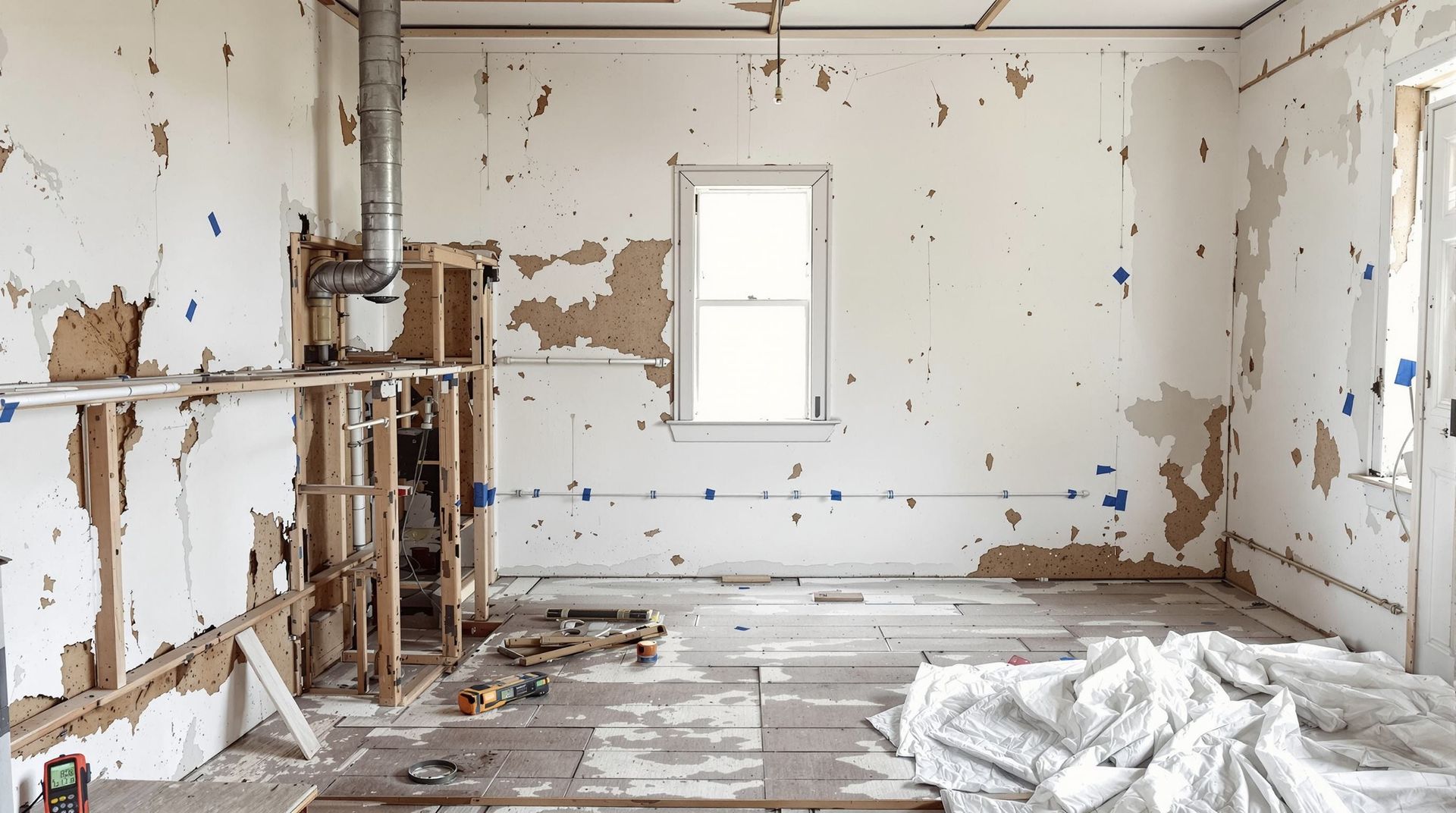
Opening walls in an older kitchen often reveals conditions that weren’t visible during planning. Preparing for these possibilities helps you avoid stress and budget surprises.
Electrical systems that no longer meet today’s needs
Many older kitchens were built when households used far fewer appliances. You may find undersized wiring, limited outlets, or panels that cannot support modern loads. Upgrading to dedicated circuits for refrigerators, dishwashers, and microwaves is often necessary to meet current code and prevent overloads.
Plumbing and moisture concerns
Galvanized pipes, aging shutoff valves, or slow leaks are common in homes over 40 years old. Even minor moisture issues can lead to hidden rot or mold behind cabinets. Addressing these problems during the remodel prevents expensive repairs later.
Structural movement and uneven surfaces
Older homes naturally settle over time. Floors may dip, ceilings may shift, and walls may bow slightly. We often need to level surfaces or reinforce framing so new finishes install cleanly and perform well for the long term.
Smart Layout Improvements Without Major Structural Changes
Moving walls can add high cost and time, especially in older homes. In many cases, you can improve function without major structural work.
Here are practical layout upgrades that deliver better workflow:
- Rework the appliance locations within the existing footprint. Keeping plumbing and gas lines close to their original position reduces labor costs and speeds up the project.
- Add vertical storage. Taller cabinetry and better organization systems make small kitchens feel much larger. Explore options for updated kitchen cabinets.
- Improve traffic flow. Even shifting an island or removing a small partition can make it easier for two people to move through the space.
- Create more usable counter space. Strategic placement of prep areas improves daily function and supports modern cooking habits.
These types of changes are often part of a well-planned kitchen remodeling project and can dramatically improve how the space works without major structural disruption.
Preserving Vintage Character While Updating Function
One of the biggest concerns homeowners have is losing the personality of an older home. The goal is not to erase its history but to make it work for modern living.
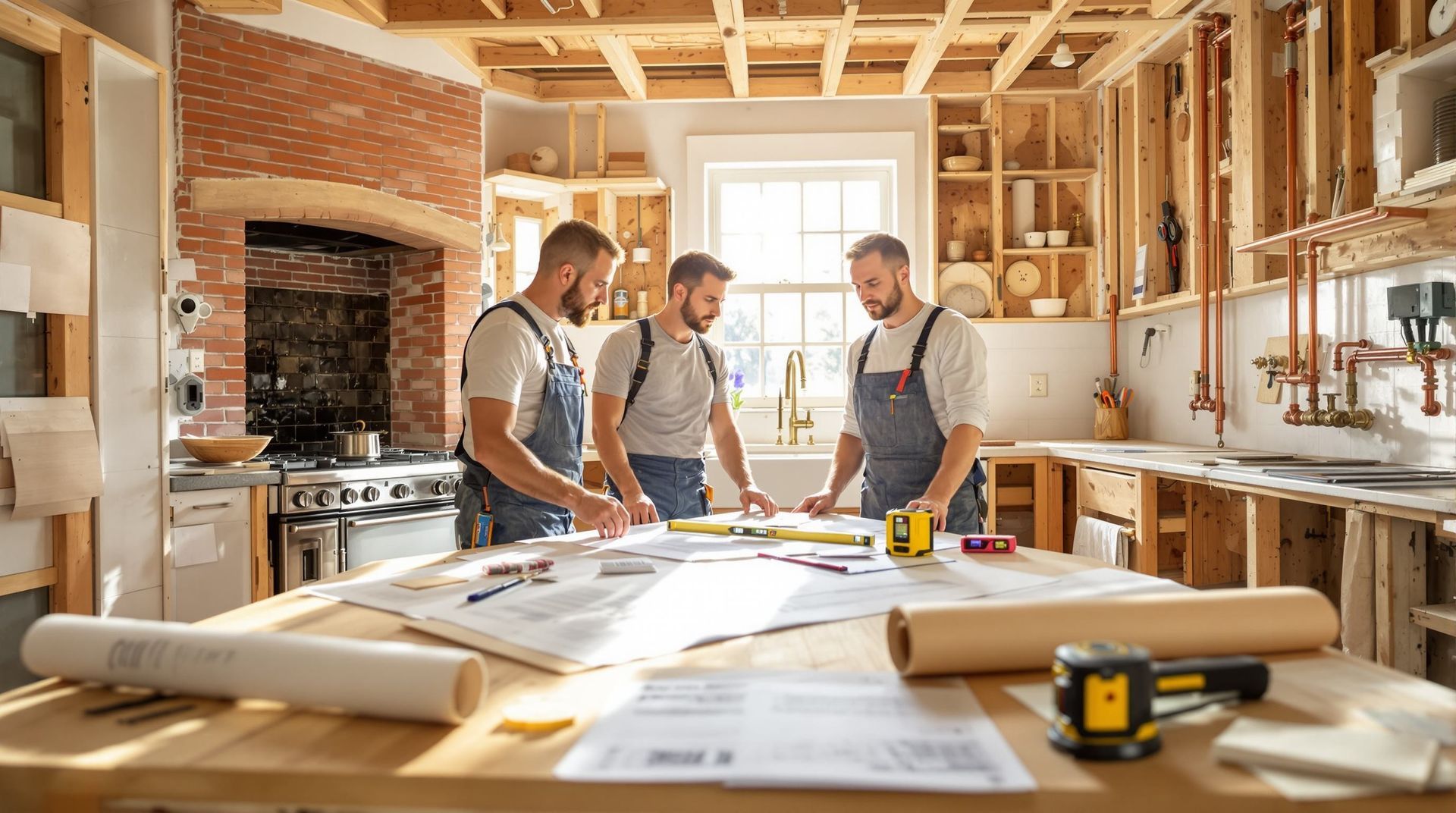
Original architectural details such as trim profiles, window styles, or built-ins can often be incorporated into the new design. Cabinet door styles, hardware finishes, and color choices can reflect a vintage look while offering modern durability and storage.
Material selection also plays a big role. Today’s quartz and stone surfaces provide the clean lines and performance homeowners want while still complementing traditional interiors. Updated kitchen countertops can match the character of the home without sacrificing durability.
In historic neighborhoods around Allentown, we often design kitchens that feel original to the house, even though the layout, storage, and systems are completely modern behind the scenes.
Modern Systems Older Homes Often Need
Even if the layout stays the same, most older kitchens need infrastructure upgrades to meet current safety and performance standards.
Common improvements include:
- Electrical panel upgrades to handle modern appliance loads
- Dedicated circuits for major appliances and countertop outlets
- Improved ventilation, including properly vented range hoods that remove heat and moisture
- Updated lighting plans that combine task, ambient, and under-cabinet lighting
- Insulation and air sealing in exterior walls to improve comfort and energy efficiency
Our team evaluates these systems early in the planning phase. With more than 35 years working in Lehigh Valley homes, we know which upgrades are likely and how to coordinate them so the project stays on schedule.
Nature's Symphony
Budget, Timeline, and Living Through the Remodel
Kitchen remodeling for older homes typically costs more than similar updates in newer properties because of the unknowns behind walls and floors. In Allentown, most projects fall between $25,000 and $70,000, depending on size, materials, and the extent of electrical or structural work.
Timelines usually range from 6 to 10 weeks once construction begins. If the project includes panel upgrades, structural reinforcement, or permit-related delays, the schedule may extend. Setting aside a contingency of 10 to 20 percent helps cover unexpected repairs without derailing the plan.
Living without a kitchen is another reality to prepare for. Many homeowners set up a temporary space with a microwave, coffee maker, and small refrigerator in a dining room or basement. If you are already planning multiple updates, it may also make sense to coordinate related projects, such as bath remodeling, at the same time to reduce overall disruption.
Conclusion
Remodeling a kitchen in an older home isn’t just about new cabinets or updated finishes. It’s about working with the structure you have, planning for hidden issues, and making smart upgrades that improve how the space works every day.
With realistic expectations for budget and timeline, plus design choices that respect your home’s character, you can improve function without losing what makes the space special. A well-planned kitchen remodeling for older homes protects your investment and adds comfort, value, and long-term reliability.
Start Your Older Home Kitchen Plan with Confidence
If you’re thinking about updating your kitchen, the first step is understanding what your home needs before construction begins. Our team at Direct Kitchen & Bath has more than 35 years of experience working in older Lehigh Valley homes, and we take a consultation-first approach so you can explore options without pressure.
Visit our showroom in Whitehall or call 610-427-2225 to schedule a relaxed design conversation. We’ll walk through your goals and show you how a carefully planned remodel can bring new life to your kitchen while preserving the character you already appreciate.
Frequently Asked Questions
Yes, most projects that involve electrical, plumbing, or structural changes require permits and inspections. This is especially important in older homes where systems need to be brought up to current code. Proper permitting ensures the work is safe, compliant, and ready for future resale.
The best approach is to build a contingency into your budget and allow some flexibility in your timeline. Older homes often reveal hidden problems once walls are opened, so planning ahead helps you handle repairs without delaying the entire project or cutting back on important upgrades.
Yes, many older kitchens can be improved significantly within the existing footprint. Updating cabinetry, improving storage, and refining appliance placement can make the space function much better without the added cost and complexity of moving walls or relocating major systems.
Start with the systems behind the walls, including electrical, plumbing, and structural stability. Once those are addressed, focus on layout and storage. Finishes come last, since they depend on the underlying structure being sound and designed to support how you use the space.