
Why Design-Build Remodeling Delivers Better Results
Design-Build Remodeling in Allentown, PA
Quick Take: Design-build remodeling gives Allentown homeowners one team to handle design, pricing, and construction from start to finish. Most kitchens take about 6 to 10 weeks and bathrooms about 3 to 6 weeks once construction begins, especially when planning is done upfront. With everyone working together, budgets stay more realistic, and the project tends to move forward with fewer surprises.
If you have been thinking about remodeling your kitchen or bathroom, you have probably realized that the project itself is only part of the challenge. Many homeowners in Allentown start with a clear vision, but once different designers, contractors, and suppliers get involved, the process can quickly feel complicated and harder to control.
This guide breaks down what design-build remodeling actually means and why it tends to work better than the traditional approach. You will see how it helps you stay on budget, keeps the timeline more predictable, and makes the whole process easier to manage.
What Design-Build Remodeling Means for Homeowners
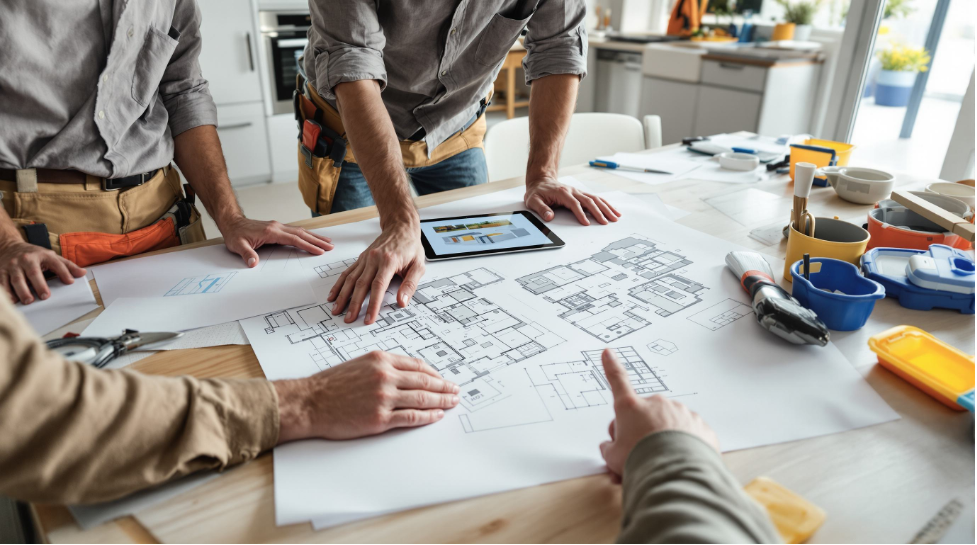
Design-build simply means your design team and construction team are the same company, working under one agreement. Instead of hiring a designer first and then trying to find a contractor later, you are working with one group that handles the project from the first conversation through the final walkthrough.
For you, that means one point of contact and one team responsible for the results. If you want to adjust a layout, ask about materials, or talk through a budget concern, you are not relaying messages between separate companies. The people designing your space are the same people who understand what it takes to build it.
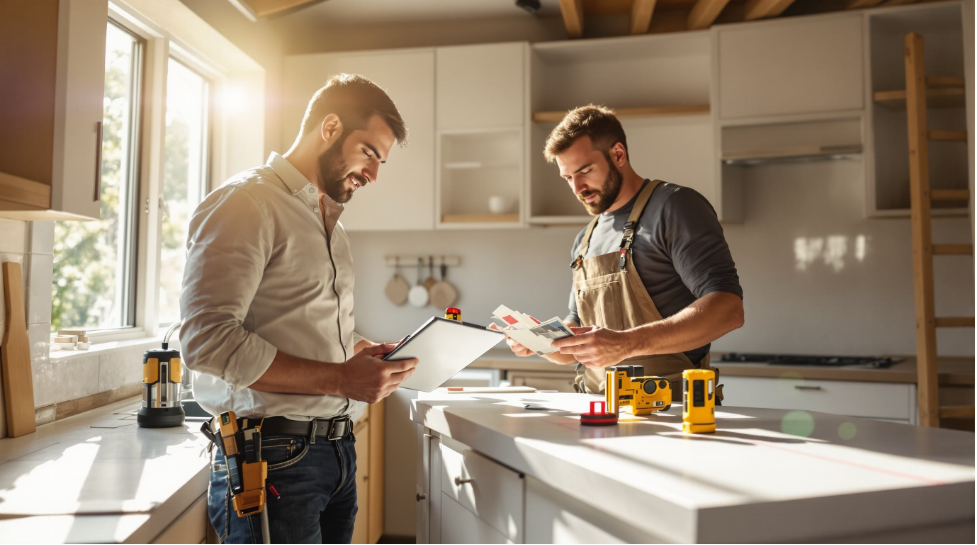
This matters even more in Allentown and across the Lehigh Valley, where many homes were built decades ago. Once walls come open, things like outdated wiring, old plumbing, or uneven framing are common. Because the construction team is involved during design, potential issues can be discussed early to avoid major surprises once work begins.
The Problems With the Traditional Remodeling Approach
The traditional method separates design and construction. On paper, it sounds simple. You hire a designer, get a set of plans, and then ask contractors to price the work. The trouble usually shows up when the bids come back.
Designs are often created without real construction pricing behind them. When a contractor reviews the plans, the cost may come in far above what you expected. At that point, you either raise your budget or send everything back for changes. That back and forth adds time, and it can get frustrating quickly.
Communication can also become an issue once construction starts. If something in the design does not work in the field, the contractor may question the plans, while the designer may push back on the installation. Meanwhile, your timeline stretches and change orders start adding to the cost.
If you are managing separate companies, you end up acting as the middle person. Design-build avoids that by putting everyone on the same team from the beginning.
How Design-Build Helps Keep Your Budget Under Control
One of the biggest worries homeowners have is starting a project at one number and finishing at a much higher one. Design-build helps prevent that because real construction costs are part of the planning process from the start.
Here is what that looks like:
- Real pricing during design. As you make layout and material decisions, you see how each choice affects the overall cost.
- Options that fit your budget. If something pushes the project too high, the team can suggest alternatives before plans are finalized.
- Early material planning. Cabinets, fixtures, and specialty items are ordered with lead times in mind, which helps avoid rush costs or last minute substitutions.
- Fewer hidden surprises. Experienced builders look for warning signs during planning so you are less likely to run into major issues later.
- Clear scope before construction. Most decisions are made upfront, which reduces change orders once the work starts.
Nature's Symphony
For you, that means a budget that reflects reality instead of guesswork.
Faster Timelines and a More Seamless Process
When the same team handles design and construction, the project tends to move forward without the stop-and-start delays that happen when different companies are involved. Planning, scheduling, and ordering all happen together instead of waiting for separate approvals.
In the Lehigh Valley, most design-build projects fall into these general construction timelines:
- Bathrooms: about 3 to 6 weeks
- Kitchens: about 6 to 10 weeks
- Larger renovations: about 8 to 12 weeks or more
If you are planning a kitchen remodeling or bath remodeling project, the biggest time saver is the upfront planning. Once materials are ordered and the schedule is set, construction can move forward without waiting on design decisions.
There will still be some disruption, especially if your main kitchen or bathroom is out of service. The difference is that a coordinated schedule keeps the inconvenience as short and predictable as possible.
Clear Communication From Start to Finish
Most remodeling stress comes from miscommunication. Design-build reduces that simply by keeping everyone connected.
One Point of Contact
Instead of juggling calls between designers, contractors, and suppliers, you talk to one team. Questions get answered faster, and decisions do not get lost between companies.
3D Design Keeps Everyone on the Same Page
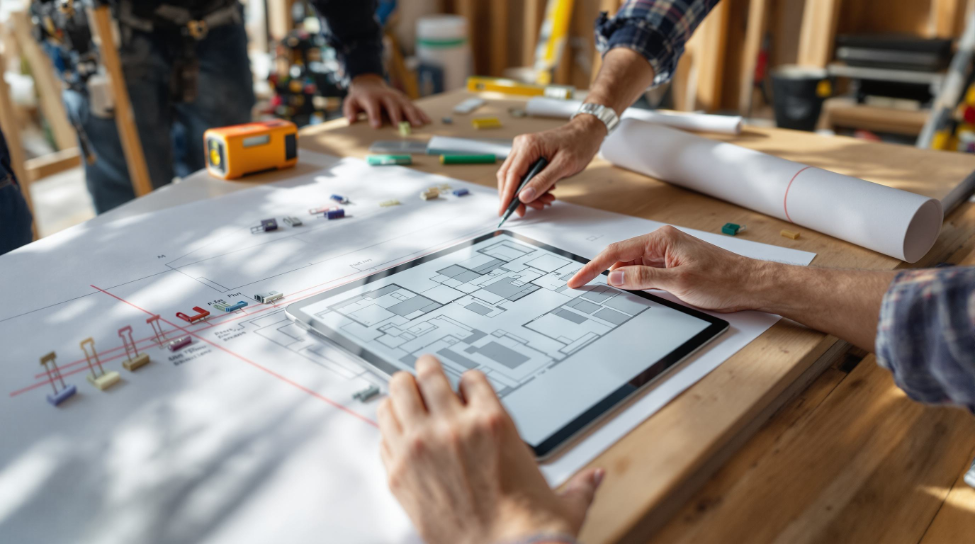
Our team creates detailed 3D designs so you can see your space before construction begins. You can review layout, cabinet sizes, and clearances, which helps you feel confident about decisions and prevents surprises later.
Decisions Made Before Construction Starts
When your project is guided by experienced professionals like Steven D. Strauss, AKBD, the planning goes deeper than just choosing finishes. His training covers workflow, storage, lighting, and building codes. Most selections and layout details are finalized before demolition, which helps construction move forward without constant changes.
Why Design-Build Delivers Better Long-Term Results
The real benefit of design-build shows up after the project is finished. Because the planning is more detailed, the space usually works better day to day and holds up longer.
Layouts are designed around how you actually use the room, not just how it looks. Storage, lighting, and traffic flow are considered together so the space feels comfortable and functional. Materials are also selected as a complete system, so everything performs well over time.
That is especially important in kitchens. When kitchen cabinets and kitchen countertops are planned together, you avoid common issues like crowded storage, poor clearances, or surfaces that wear out too quickly.
For many Allentown homeowners, the long-term value matters just as much as the new look. A well-planned remodel reduces future repairs, improves resale appeal, and helps you avoid the feeling that you should have done something differently.
Conclusion
Remodeling is a big investment, and the way the project is managed has a lot to do with how it turns out. When design, pricing, and construction are handled by one team, you get clearer communication, more accurate budgeting, and a timeline that actually makes sense.
If you are considering updating your kitchen or bathroom, the best first step is to visit our Whitehall showroom. Here in the Lehigh Valley, we have been helping homeowners plan and complete projects this way for more than 35 years.
Our team focuses on careful planning, honest conversations about budget and expectations, and a consultation-first approach so you never feel pressured. Contact us today!
Frequently Asked Questions
Bring photos of the space, inspiration images, a rough budget range, and a list of what is not working in your current kitchen or bathroom. It also helps to note any must-haves, such as more storage, better lighting, or improved layout, so the conversation starts with clear priorities.
Yes, and that is often where design-build is especially helpful. Older homes can hide issues behind walls, including outdated plumbing, wiring, or framing. When the design and construction team work together from the start, those possibilities can be discussed early and handled with fewer delays once the project begins.
Before construction begins, most layout details, materials, fixtures, and major finish selections should be decided. That includes cabinets, countertops, tile, plumbing fixtures, lighting, and appliance locations where needed. Making those choices early helps keep the scope clear, supports scheduling, and reduces delays or change orders during construction.
Design-build reduces stress by giving you one team to guide the project from start to finish. Communication is simpler, decisions are easier to track, and planning happens in a more organized way. Instead of managing separate companies yourself, you have one point of contact helping keep the process clear and moving forward.